Staff Management & HRM Software Development
Manage Your People. Simplify Your Processes. Build a Better Workplace.
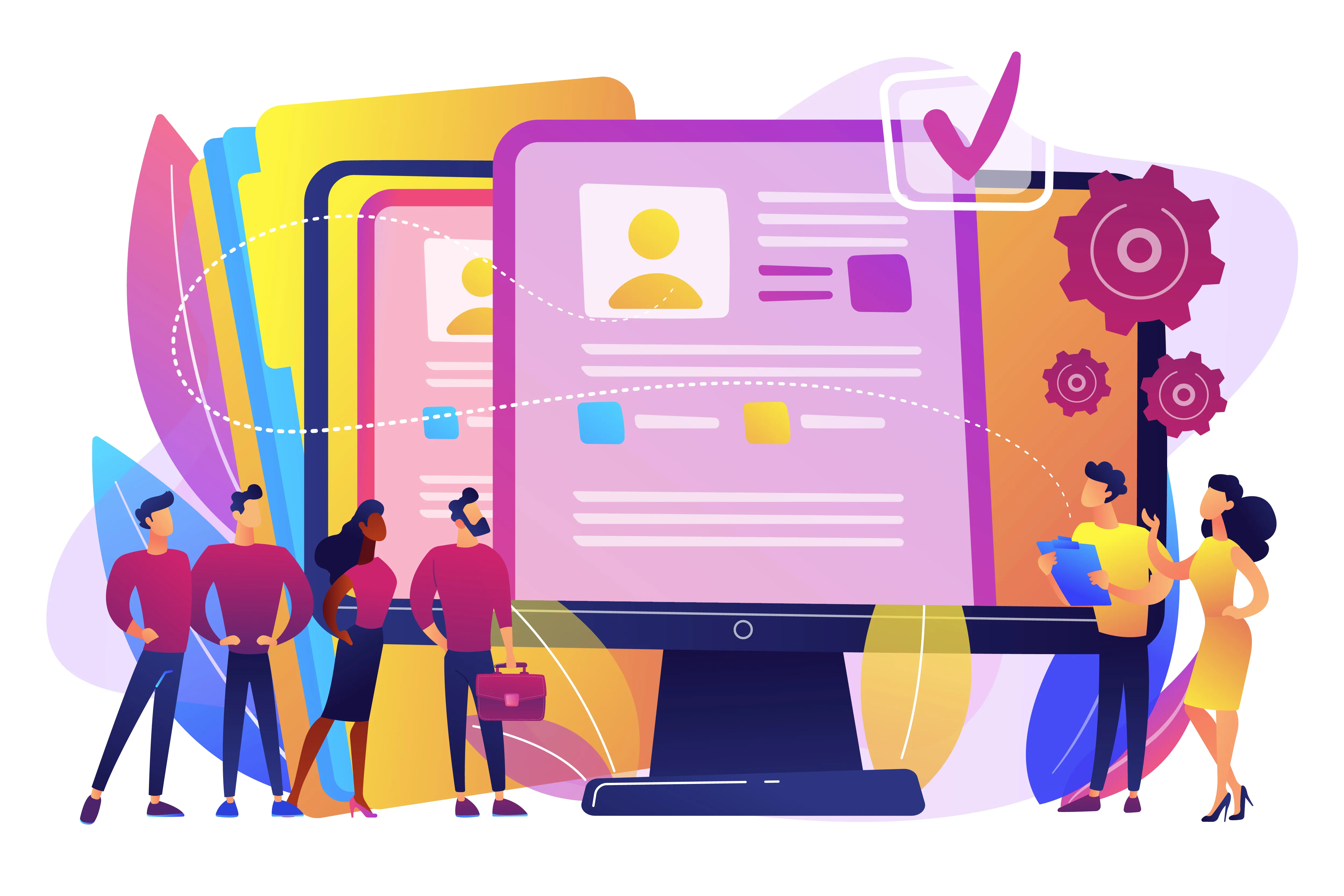
Custom HR software is designed around your people, thought processes, and business processes.Managing staff through spreadsheets, emails, and disjointed platforms results in needless administrative labor and poses challenges to keeping employee data up to date.
Custom HRM and staff management software by PerfectKode that blends all employee records, recruitment, onboarding, attendance, leave, performance along with payroll workflows into a unified platform with self-service for employees. Whether you are an SME responsible for digitalizing HR operations or an enterprise with multiple locations and departments to manage, we develop the tech around how your end-user organizations really function.
Technology That Makes HR Operations Simpler
From Employee Data to Everyday HR Workflows — Connected in One System
Most modern recruitment and HR technology goes beyond a simple human resources information system (HRIS) to store its data. It can help reduce redundancy, standardise processes and provide a single place for information for employees as well as managers. HR should be extremely easy to manage, from employee records, recruitment and attendance to leave requests and performance monitoring.
An HR management system brings together these everyday tasks in a well-designed platform. It increases productivity by removing the paperwork, decreasing the amount of human effort needed to enter data manually, and allowing teams to keep up-to-date and accurate employee information. This means HR staff can spend less time on traditional administrative tasks, and more time focused on employee engagement, workforce planning and organizational growth.

Employee information and records
Recruitment and onboarding
Attendance and shift management
Leave and holiday management
Employee self-service
Performance management
Payroll integration
Reimbursements and expenses
HR approvals
Documents and employee files
Reports and HR dashboards
Multi-location and multi-department management
Role-based access and permissions
What Can a Custom HRM System Do for Your Business?
One HR Platform. Multiple Business Processes.
Employee Management
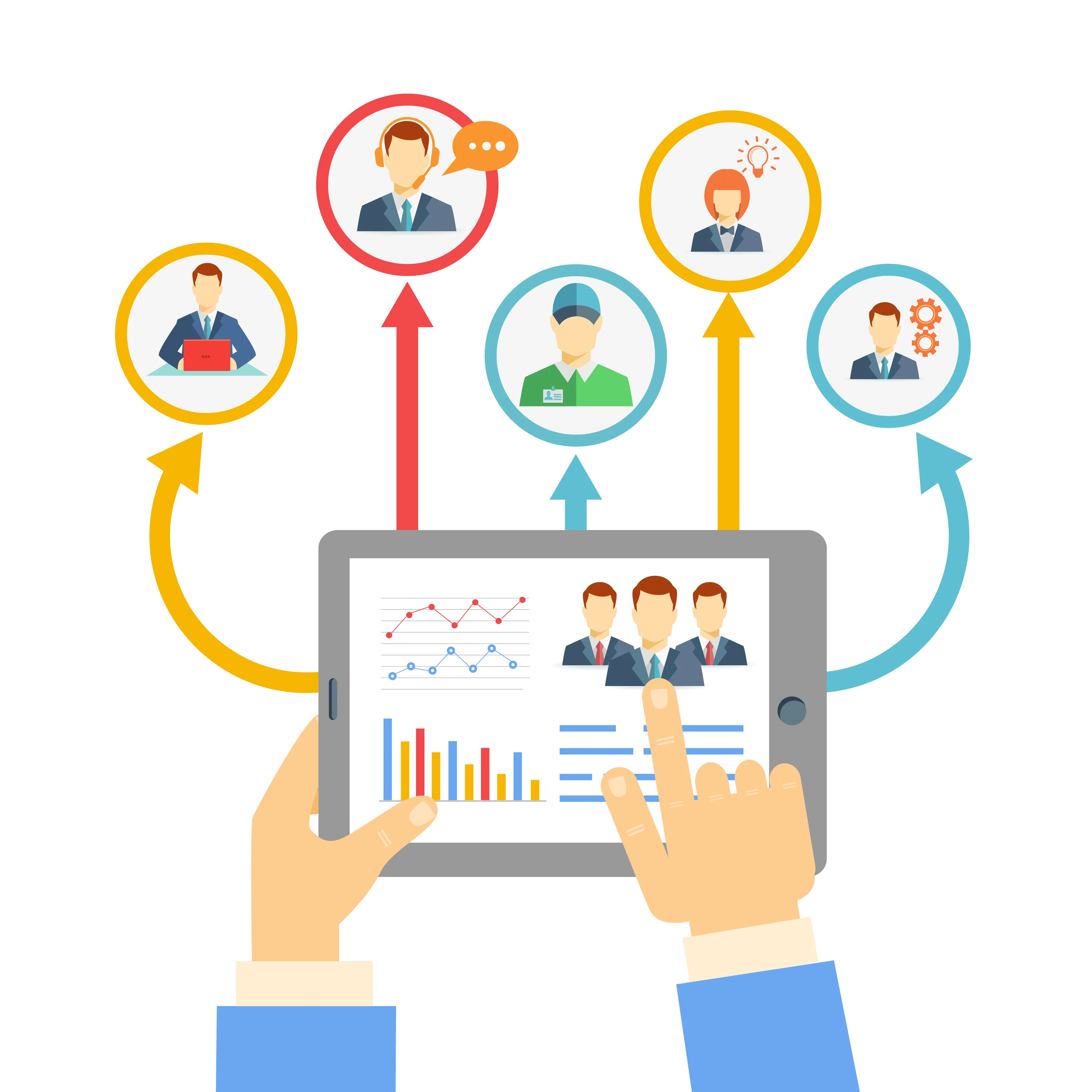
Keep all employee information such as personal details, department, job title, supervisor, employment history, and essential documents in a centralized location. Empower HR teams to proactively update records and oversee employee details while accessing data at each phase of the employee lifecycle.
Recruitment & Onboarding
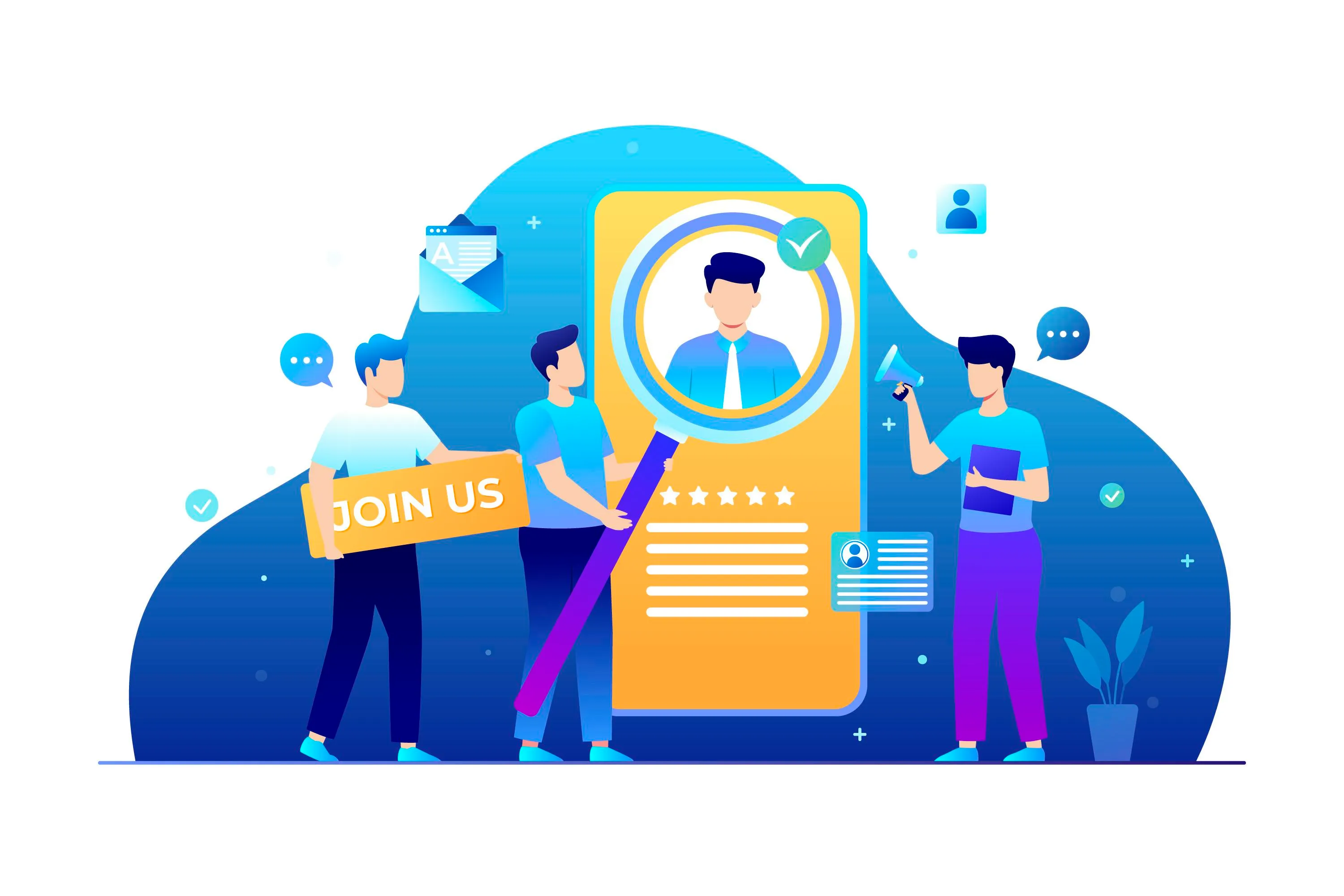
Oversee the hiring process from candidate application to employee onboarding. Responsibilities include organizing candidate profiles, scheduling interviews, managing hiring stages, making selection decisions, and facilitating joining formalities. Utilize onboarding checklists to guarantee that paperwork, introductory tasks, and other joining necessities are fulfilled promptly.
Attendance & Shift Management
We develop a system to monitor employee attendance, including arrival at the workplace, work hours, shift schedules, holidays, and overtime. Establish attendance guidelines and scheduling patterns based on business needs. HR manages absenteeism effortlessly through attendance inconsistencies, availability, and attendance-related reports.
Leave Management
When all aspects are organized in a single location, managing employee time off is effortless. Employees can apply for leave, check their available balance, and view the holiday calendar without needing to reach out to HR each time. Managers can assess various requests and decide to approve or reject them based on their expectations of the team's requirements.
Employee Self-Service
Self-Service Portal Employees can access the self-service portal to check their attendance, leave balances, documents, and update or learn more about their personal information. They can also request leave or create HR-related inquiries as needed. Workers can locate the majority of pertinent information on their own instead of repeatedly asking the HR team for updates.
Performance Management
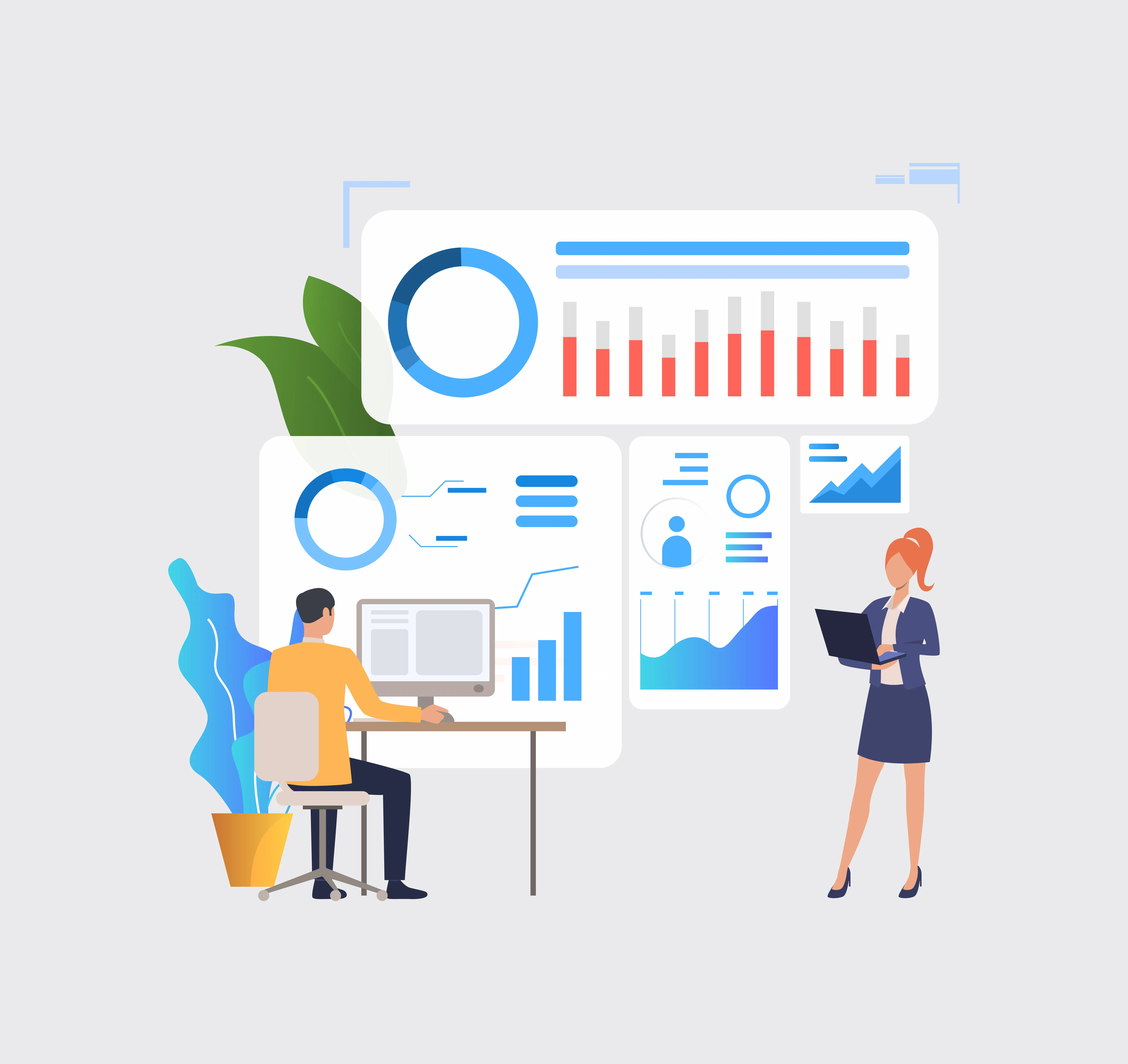
Oversee the execution of performance assessments that include assessment cycles, employee goals and objectives, evaluation templates, ratings, and manager feedback. Monitor each individual's career concerning performance criteria and maintain a record of the assessments that have taken place. Assist managers in recognizing strengths, participating in enhancement conversations, and making suitable choices for employee development.
Payroll Integration
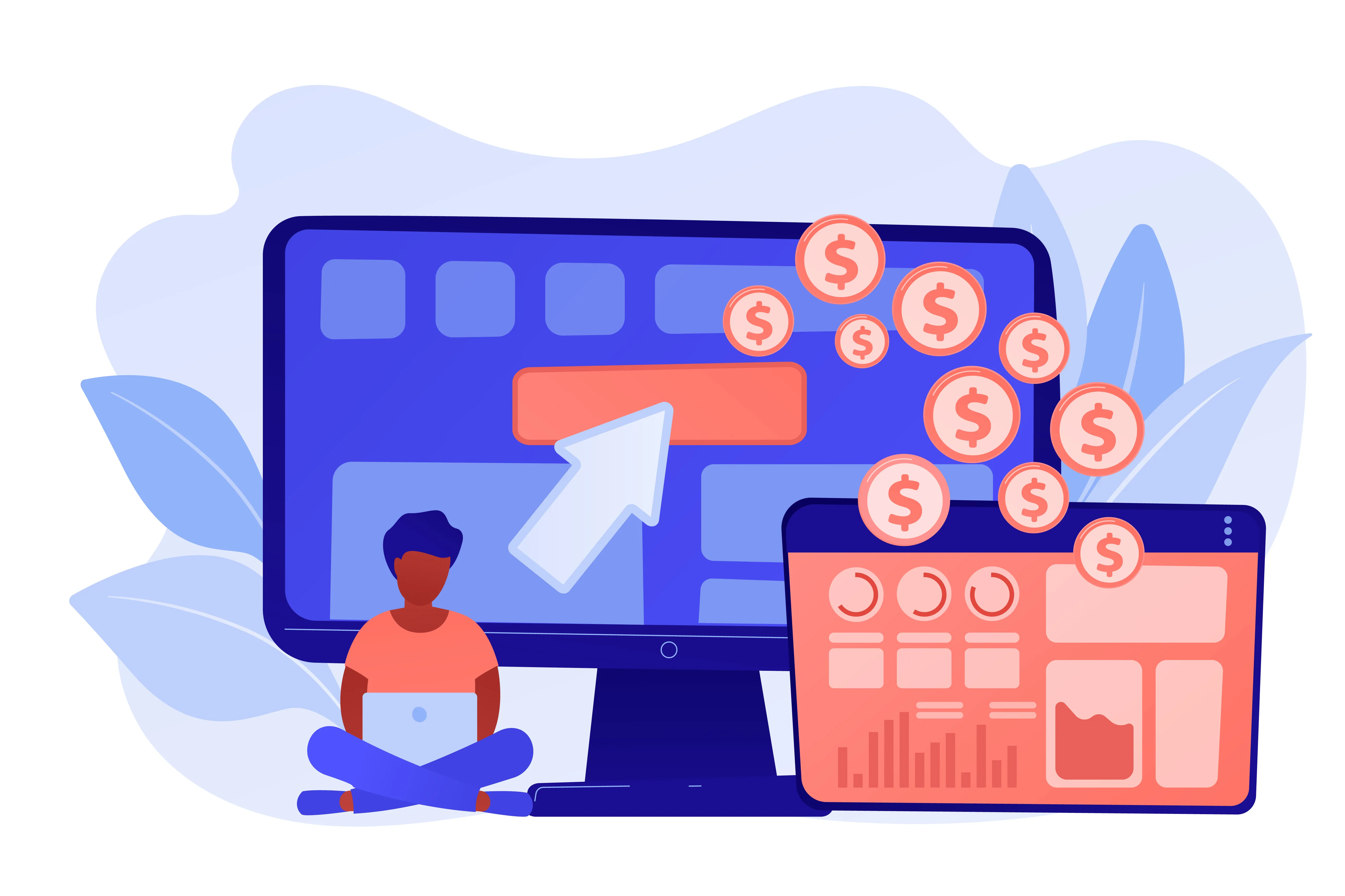
Integrate HR data with payroll processing to reduce the need for duplicate data entry and expedite salary preparation. Support payroll calculations with attendance records, approved leave, overtime, employee information and salary structures. Create consistency of information across HR and payroll processes to ease administration of deductions, salary revisions and payslip generation.
HR Analytics
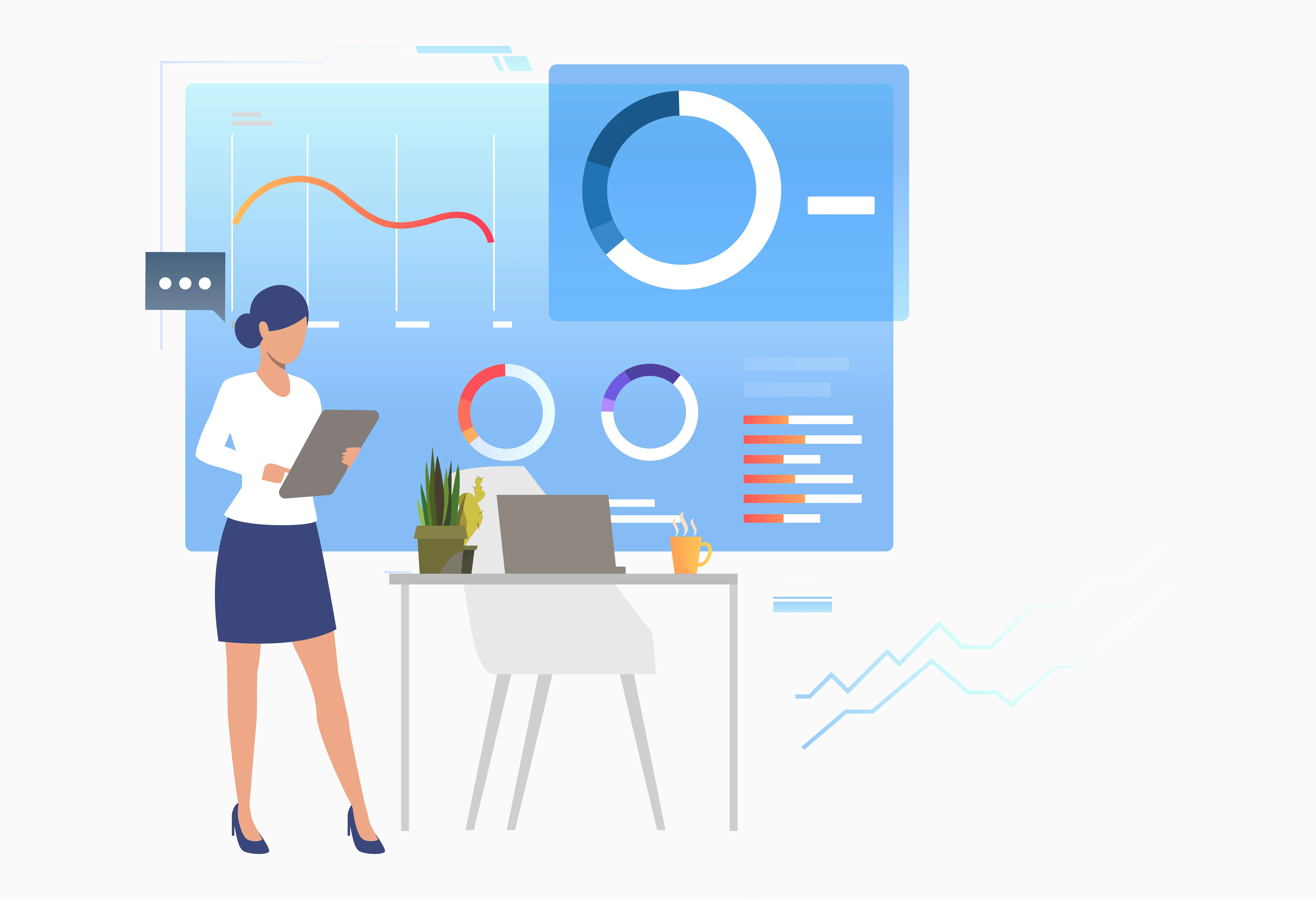
HR Teams handle vast quantities of employee data every day, and tracking each individual piece of information manually can be very time-consuming. HR analytics streamlines this process by consolidating information on attendance, employee turnover, performance, and hiring all in one location. Instead of having to examine multiple documents to understand what's happening, managers can review their reports and obtain a clear picture of their workforce.
Essential Features of Custom HRM Software
What Should a Custom HRM Software Include?
Custom HRM software provides a central location for managing all of your organization's human resources functions, including employee records, attendance tracking, payroll processing, recruitment, and performance evaluations. The software will allow your HR team to perform these functions more effectively than they could do it manually. It will also reduce the amount of time that would be spent on doing these tasks manually as well as the potential for making mistakes in performing those functions manually.
A unique feature of custom Human Resource Management (HRM) software development compared to off-the-shelf options is that it provides a way for organizations to develop customized features based upon each organization's workflow and workforce requirements. Organizations that implement automated processes, organized employee data, and real-time reporting can increase productivity, make informed decisions, and enhance the overall employee experience. Additionally, a scalable HRM solution will be able to adapt to changing business requirements as the organization continues to grow.
Employee database and document management
Attendance, time and shift tracking
Leave and holiday management
Recruitment and onboarding workflows
Employee self-service portals
Performance management
Payroll and accounting integration
Expense and reimbursement management
Automated HR approvals
HR reports and workforce analytics
Role-based access and permissions
Multi-location and multi-department support
Mobile app for employees and managers
Biometric and third-party integrations
Employee database and document management
Attendance, time and shift tracking
Leave and holiday management
Recruitment and onboarding workflows
Employee self-service portals
Performance management
Payroll and accounting integration
Expense and reimbursement management
Automated HR approvals
HR reports and workforce analytics
Role-based access and permissions
Multi-location and multi-department support
Mobile app for employees and managers
Biometric and third-party integrations
These features are based on your policies, organizational structure and operational requirements.
Benefits of Custom HRM Software for Businesses
Custom HRM software creates a digital workflow from fragmented HR administration.
Reduce repetitive HR administration
Centralize employee information
Automate approvals and routine processes
Improve employee self-service
Minimize manual data entry
Standardize HR policies and workflows
Improve workforce visibility through dashboards
Integrate HR with payroll and accounting
Support multiple locations and departments
Integrate biometric and third-party systems
Scale HR operations as per the growth in employee strength
Custom HRM vs Off-the-Shelf HRM: When Should You Choose?
If you have standard HR processes and don't require much customization, off-the-shelf HRM software is a good choice. These solutions come with ready-made features like employee record management, attendance tracking, leave management, recruitment, performance reviews, and payroll integration. As the software is already developed, businesses can usually get up and running with the software without the time and cost of building a system from scratch. Most providers also offer regular updates, technical support, and different subscription plans to suit businesses of any size. But these tools are based on pre-set workflows that may not always match the way a company manages its employees. As the organization matures, it may require additional features, specific approval processes or integrations that the software may not be able to fully support. In these cases, companies may have to rely on workarounds, manual data entry or third-party applications to manage their HR processes. Off-the-shelf HRM software can be a practical and cost effective choice for companies with straightforward requirements, but a custom-built solution may be more beneficial for businesses with more specific or changing needs.
If your organization is constantly reshaping its processes around the restrictions of standard HR software, then a custom-built HRM platform may offer a better long-term solution.
Why Build a Custom HRM Instead of Using Standard HR Software?
Your HR Policies Are Unique. Your Software Should Be Too.
Each organization has its own ways of handling people. Each company has its own hierarchy of approvals, attendance policy, leave policy, shift timings, departmental structure and employee workflow. The typical HR software comes with a set of pre-built features, which may not always be suitable for the specific rules and processes of your organization. When the HR team has to adapt their working methods to the software, it can lead to unnecessary steps, manual workarounds and delays in routine tasks. Custom HRM software is a more flexible approach as it lets businesses build features based on their existing operations. Your team will be working with a solution that's built for their real needs, not for limitations.
PerfectKode follows a business-process-first approach:
Unlike traditional software products that make your HR team adopt predefined processes, PerfectKode builds workflows that suit your business needs. This gives you more flexibility regarding employee information, approvals, attendance and other HR activities.
You can start with core HR modules like employee management, attendance and leave tracking and add more capabilities as your needs grow. These could be things like payroll integrations, performance management, employee self-service portals, mobile apps, analytics, and third-party integrations. This approach lets you address your immediate needs, with the flexibility to add more features later, so your HRM system can evolve with your organization.
How PerfectKode Helps SMEs & Enterprises
PerfectKode replaces the fragmented nature of HR processes for SMEs and Enterprises with digital, measurable workflows. Custom HRM software is tailored to the needs of each organization and helps businesses to organize employee data, automate daily processes, and enhance collaboration between human resources teams, employees, and management. HRM solutions are for organizations that want to keep employee records in one place, remove manual approvals and easily allow employees access to their profiles, attendance information, Leave Balances and documents important for HR requirements toward HR of all employees. Multiple locations allow for standardization of HR procedures without opening a new office and the ability to manage the headcount through one collective system.

PerfectKode allows HRM to be connected with the payroll and accounting software so that duplicate data entry can be avoided and employee-related information can be managed easily. Integration with biometric evaluation devices can decrease attendance monitoring and increase the accuracy of these records.
With embedded dashboards and reports, management teams get valuable insight into employee attendance, workforce trends, and HR activities that help them make better decisions. The software will be updated with more modules, workflows and integrations to adapt to the changing operational requirements as your business grows. From a simple employee management system to an elaborate HR platform, PerfectKode caters to your needs by building solutions that provide much precisely what is needed for smooth HR operations, coupled with the potential for lasting business growth.
HRM Software Development Services
Everything You Need to Build, Modernize or Extend Your HR Technology
Custom HRM Software Development
Employee Management System Development
Staff Management Software
HRMS Development
HRM Web Application Development
HRM Mobile App Development
HRM Software Customization
HRM Integration Services
Payroll & HR Integration
Attendance & Biometric Integration
HR Analytics & Dashboard Development
HR Workflow Automation
AI-Powered HR Applications
HR Software Maintenance & Enhancement
HRM Solutions for Different Industries
HR Technology Adapted to Industry-Specific Workflows
IT & Technology
Employee records, remote attendance, leave, performance and self-service.
Manufacturing
Shifts, attendance, overtime, departments, plant locations and workforce workflows.
Healthcare
Management of the workforce all across hospitals, clinics and departments with role-based access.

Hotels
Manage staff, shifts, attendance, leave and multi-location workforce.

Education
Teacher and administrative staff records, attendance, leave and departmental management.
Retail
Distributed teams, staffed by stores, shifts, transfers and attendance and centralized human resources management.
Top Custom HRM Development Companies: What Should You Look For?
Apart from development cost, consider the following when choosing the best custom HRM solution companies. This includes assessing their technical skills, knowledge of HR processes, ability to customize features, integration capability, security measures and practices, scalability options and support after the feature is built. A great development partner will understand how your HR team functions, and should propose solutions that solve real business problems.Find a company that can build features like employee management, attendance, leave management, recruitment, performance tracking and self-service.
Equally important is the functional capability of HRM software to integrate with the previously existing payroll, accounting and attendance systems for error-free employee record maintenance and minimization of manual work.
As HR systems manage sensitive information of employees, it is essential to prioritize data security. Understanding how they handle access controls, data protection, test plans & maintenance would help you decide further. PerfectKode Software Technologies brings together capabilities in bespoke software development along with a business-process-first approach to wrap HRM solutions around your operational requirements.
PerfectKode eliminates over-dependency on typical features, it can help businesses plan inventory workflows and select need-based modules, including Easy System Integration with your existing applications. The aim is to build an HRM solution that streamlines the day-to-day working of HR departments, accommodates their growth, and copes with emerging workforce needs.

How Much Does Custom HRM Software Development Cost?

The cost of custom HRM software development is influenced by the number of modules, employees, integrations, workflow complexity, mobile app requirements (none), UI design and deployment model. Depending on the level of automation and security needed to manage employee data, this can also impact the overall budget.
This may include a simple HRM system (which allows basic employee records, attendance management and leave requests) that tends to require less effort in development than building a platform for recruitment and onboarding, performance appraisal, status monitoring for external stakeholders or self-service employee visits for compliance data with automated reporting. Moreover, integrations with payroll, accounting or biometric attendance systems can also contribute to the development cost. The price may also vary depending on whether you choose a web or mobile app. Estimating the total investment in a product, by the way, should also include testing, deployment, data migration, ongoing maintenance.
An MVP-based project covering the core HRM functionalities usually needs less investment than a fully featured enterprise HR platform. Start with the features your business needs most and continue to add functionality as your workforce and needs grow.
Frequently Asked Questions About HRM Software
The cost depends on the number of modules, employee volume, integrations, workflows, mobile applications, UI requirements and deployment model. A focused HRM MVP generally requires less investment than a complete enterprise HR platform. PerfectKode can analyze your requirements and provide a project-specific estimate.
The timeline will depend on the project size, needed customizations, integrations and modules. An MVP helps develop a new HRM system faster than an entire enterprise HR solution.
Yes. You can create powerful workflows based on your employee structure, approval hierarchy, attendance rules and leave policies, departments etc.
Yes. Based on the biometric device and its available integration method, attendance data can be linked with the HRM platform.
Yes. Various integration mechanisms, like APIs, can be deployed that connect HRM with payroll, accounting, biometric, and communication as well as other business systems.
Yes. A well-designed HRM system can take care of multiple locations, departments, reporting structures and role access as well.
Yes. Leave Requests, Attendance, payslips, documents, Profile Management, HR requests Etc.
Yes. For example, SMEs can start with some basic modules and expand the system as their organization grows.
Let's Build Your HRM Solution.

Everything You Need to Build, Modernize or Extend Your HR Technology
Build an HRM solution tailored to your organization's workforce management needs, with the flexibility to support your HR processes as your business grows.