Custom ERP Software Development
One Connected Platform For Your Entire Business
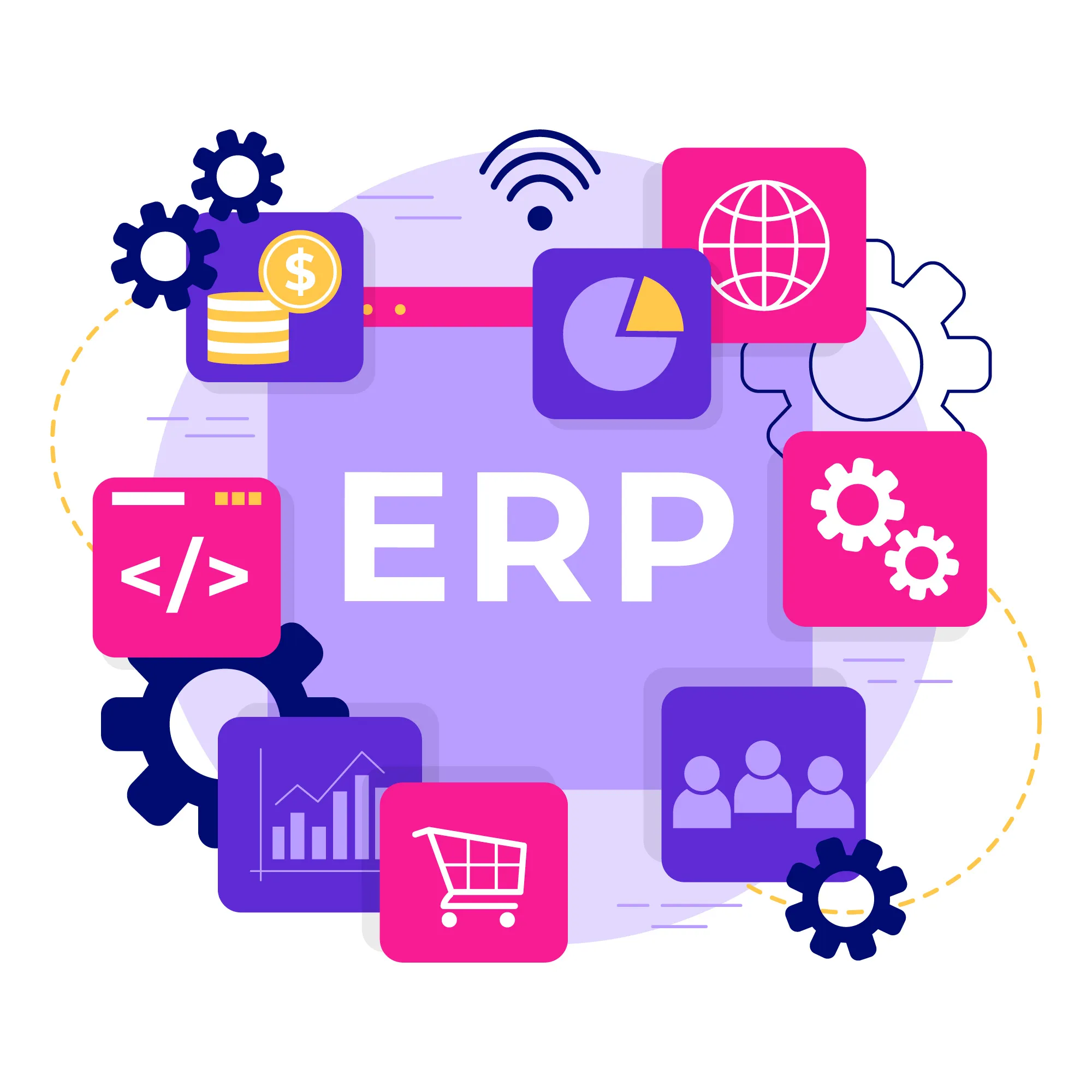
Custom ERP Solutions that integrate finance, sales, inventory, procurement, HR, operations and business intelligence across systems. As businesses grow, they frequently will add separate software for accounting, inventory, CRM, HR, sales & operations. This results in disconnected data, double work, and minimal visibility.
PerfectKode is known for developing custom ERP software and ERP solutions to integrate your central business processes into a single scalable technology platform. Designed for SMEs, growing businesses and enterprises, our ERP software development services help clients find technology that matches their actual workflows.
Connect Every Part of Your Business
One Business. One Connected System.
Customizable ERP software development enables organizations to implement the functionalities that are necessary at the moment and expand when needed.
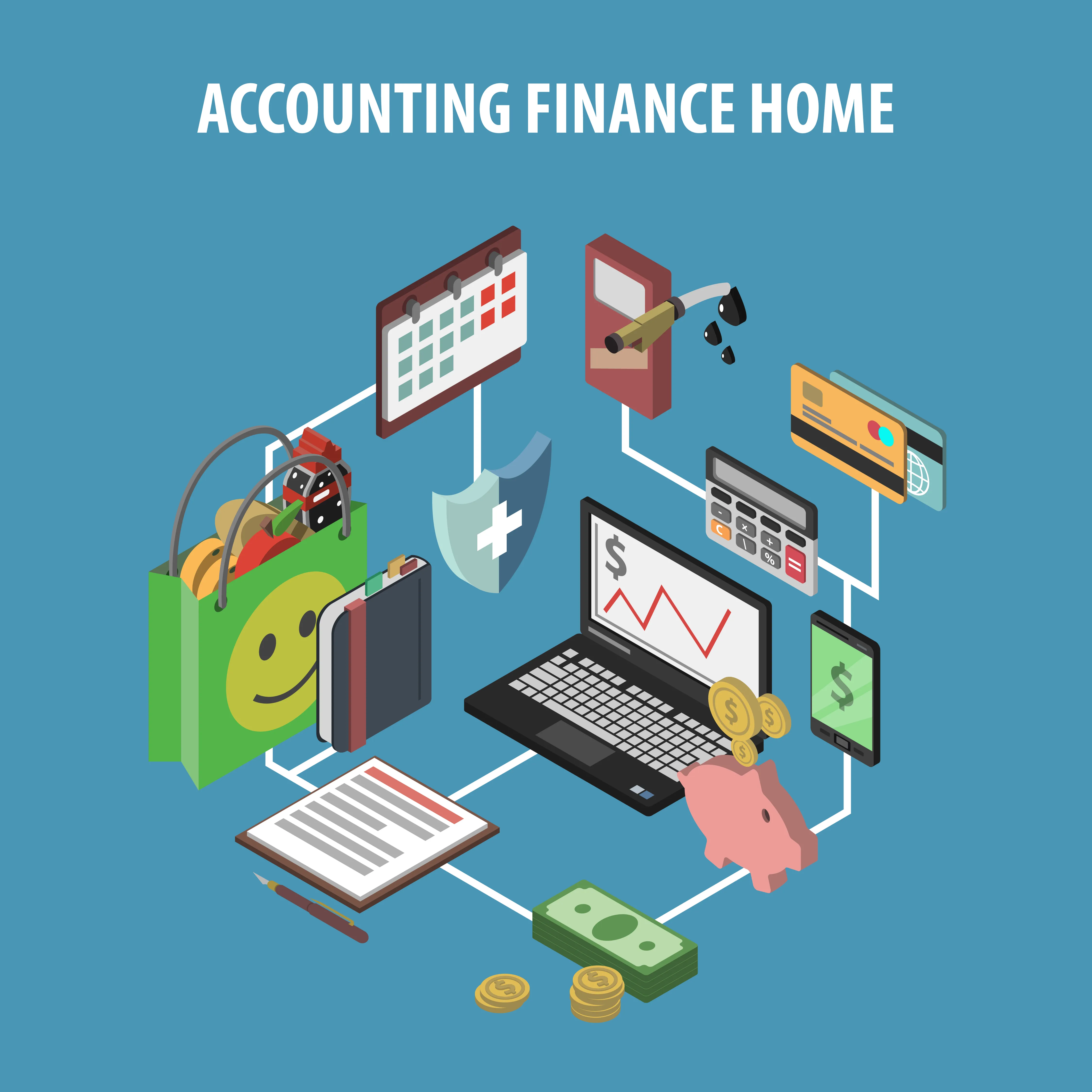
Finance & Accounting
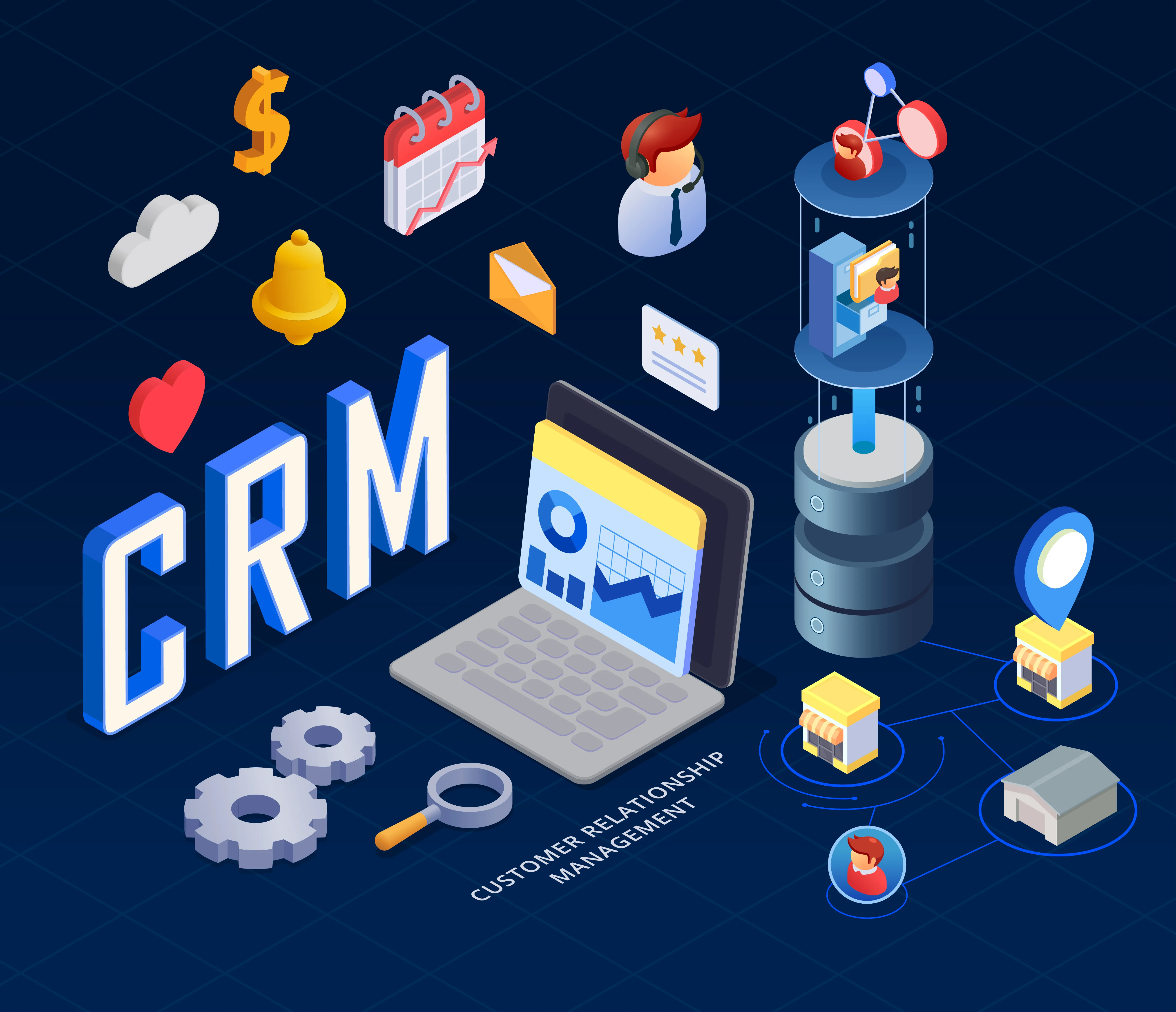
CRM & Sales
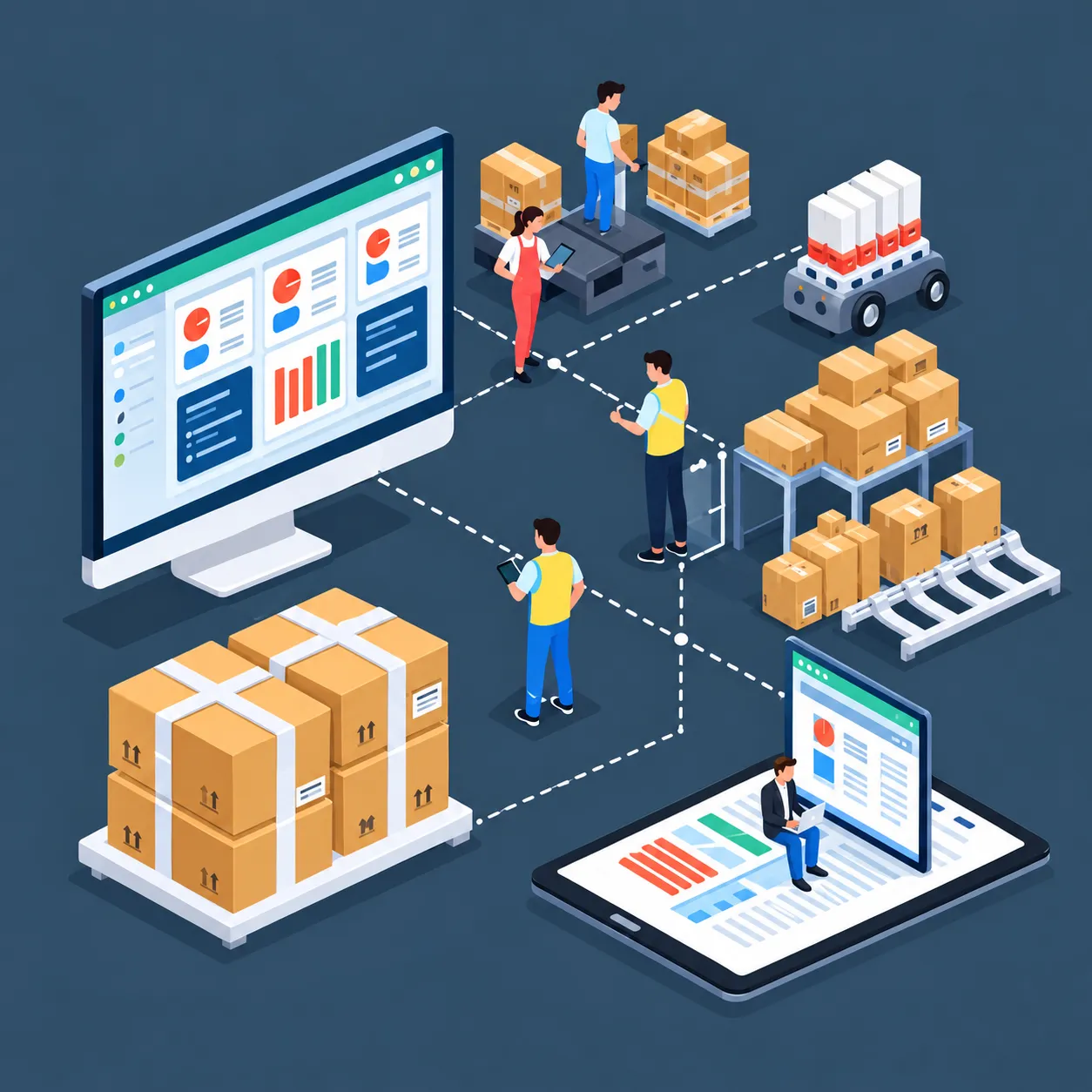
Inventory Management

Procurement

HRM
Payroll
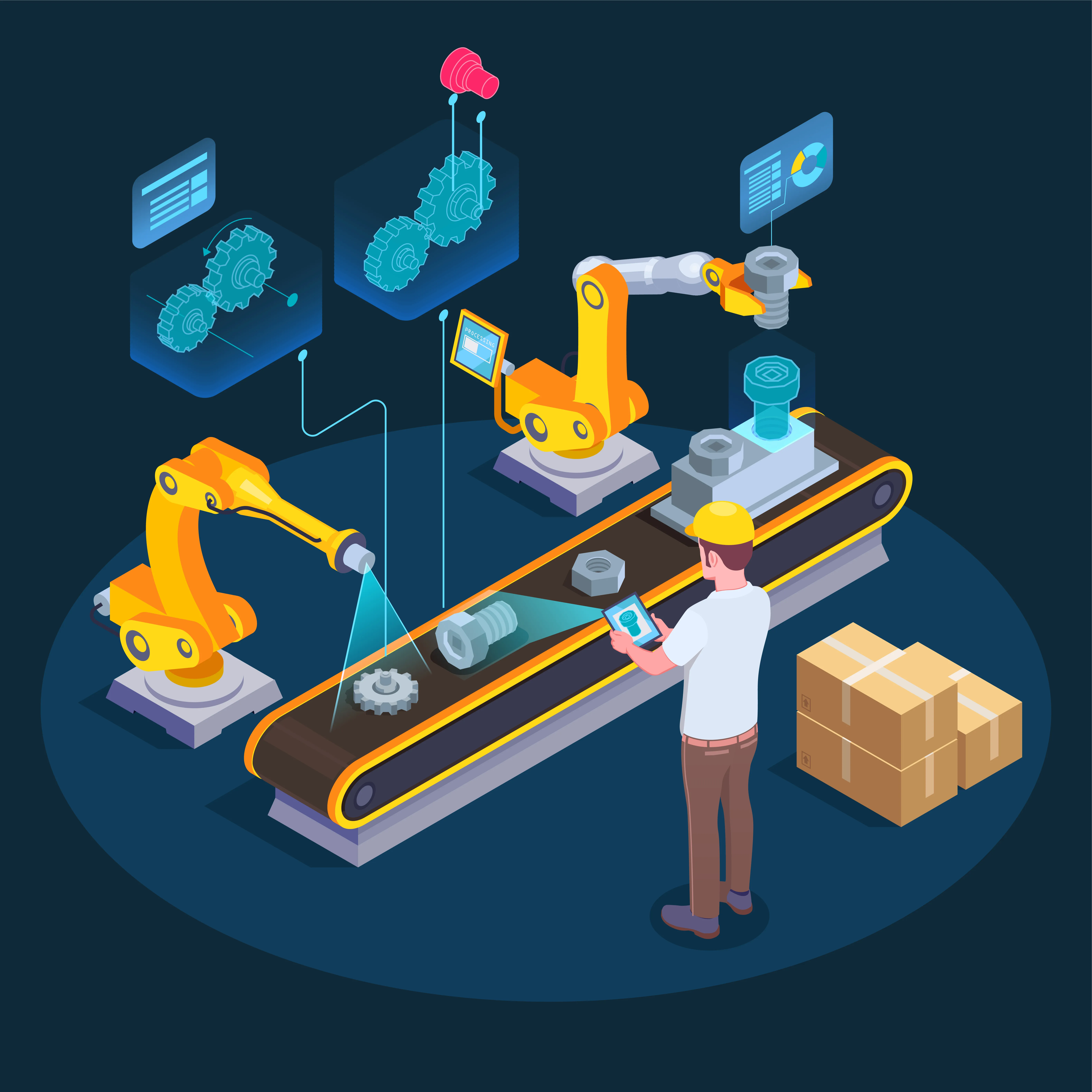
Manufacturing
Supply Chain
Project Management

Order Management

Vendor Management
Customer Management
Business Intelligence
Reports & Dashboards
Workflow Automation
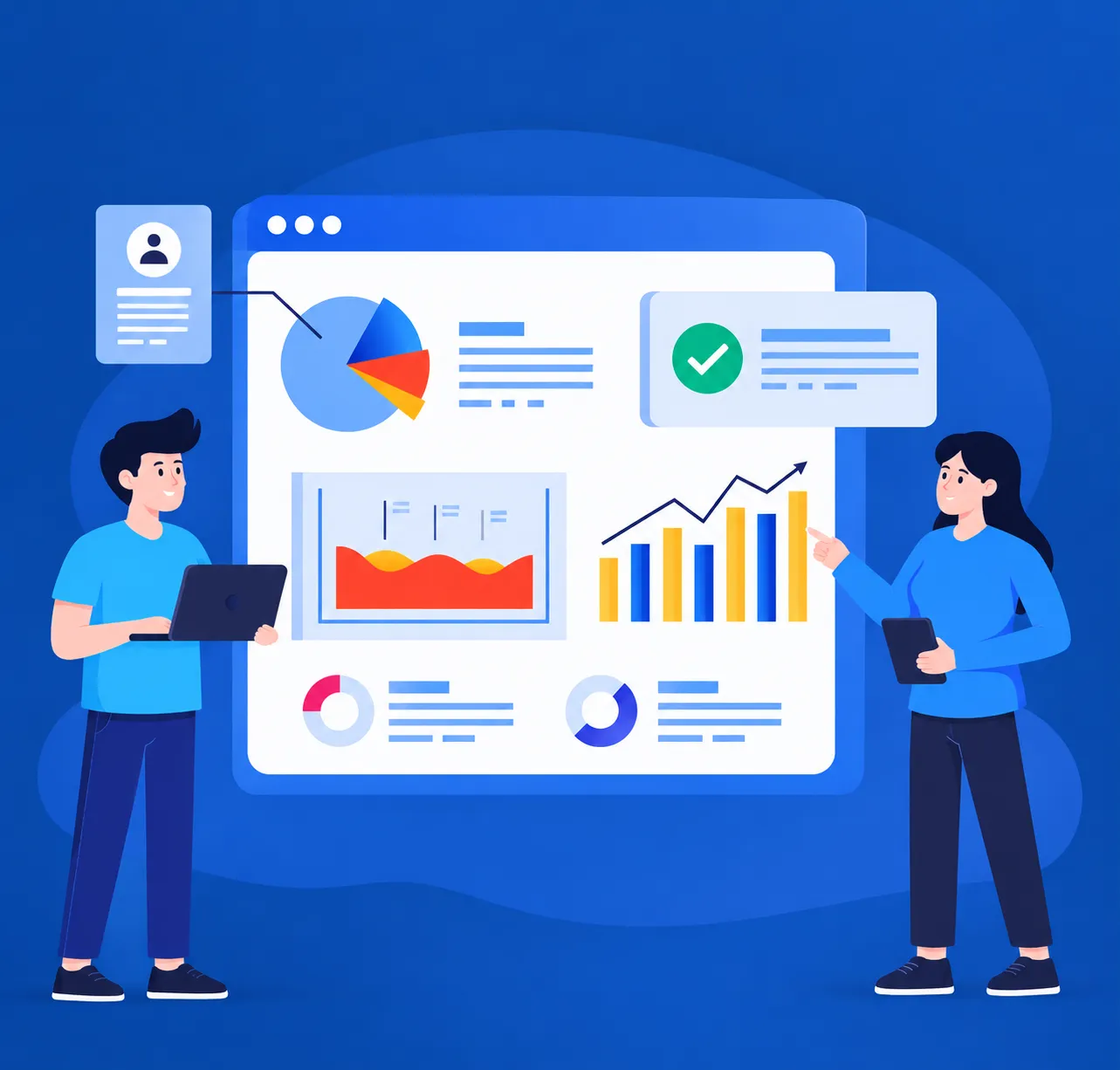
Document Management
Role-Based Access
Multi-Branch Management
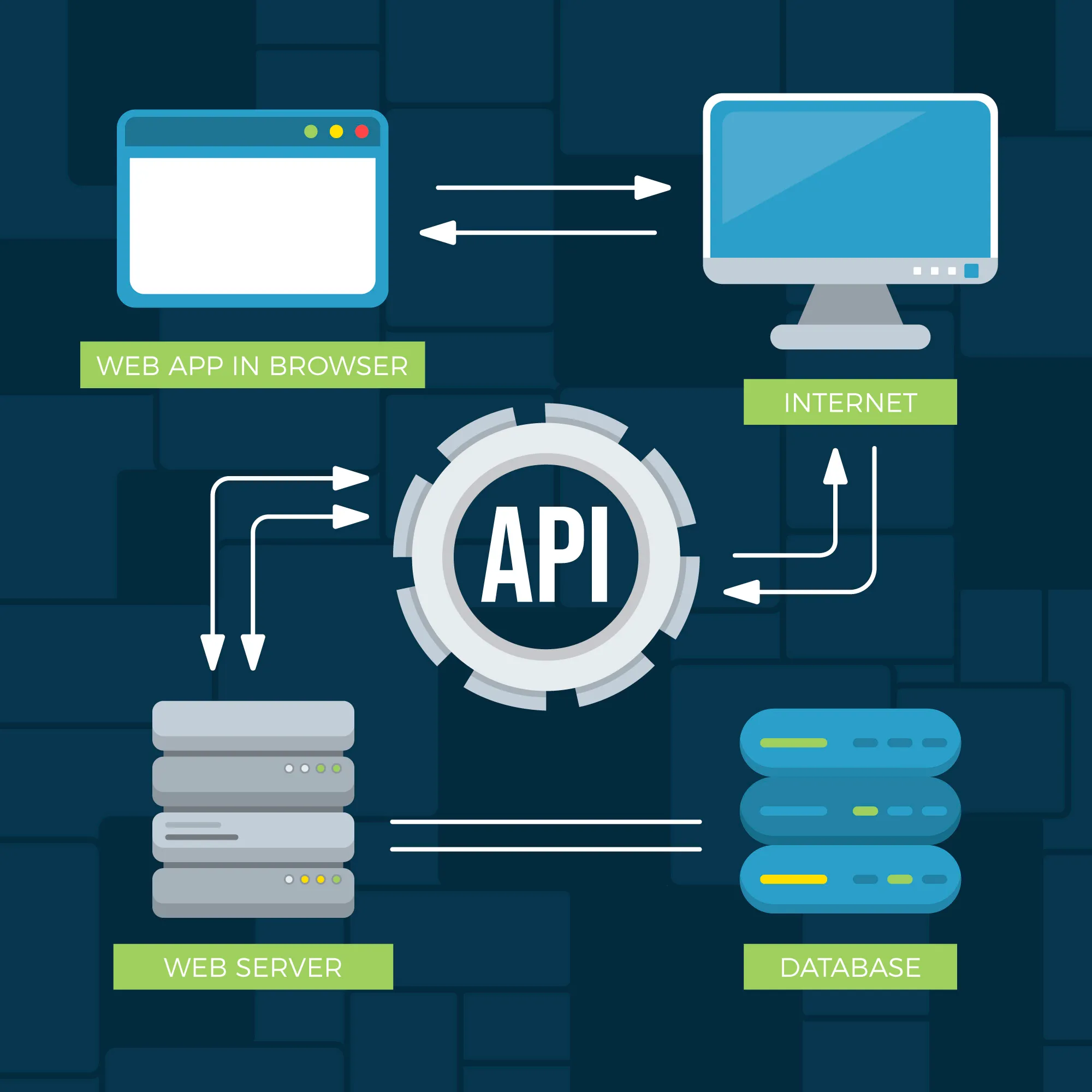
API Integrations
Why Custom ERP?
Don't Force Your Business to Work Like Someone Else's Software.
What are the benefits of ERP software development?
With the help of ERP software development, you can manage information in a centralized location, connect various departments across your business processes, reduce repetitive data entry tasks performed by employees from different teams and automate manual workflows as much as possible while providing proper visibility to managers. It can help to standardize processes and lay the groundwork for technology scalability that would fuel growth in coming years. Successful ERP implementation is when technology represents the real-life business process of an organization.
PerfectKode follows:
Understand → Simplify → Integrate → Automate → Measure
Then we understand your processes and where technology can create value; thereafter define the modules/roadmap. Which can minimize wasted customization and assist making the best possible choice for those features that are critical to the business.
How PerfectKode helps SMEs & Enterprises
From Disconnected Applications to an Integrated Business Platform
With our management software development and the way we approach enterprise software development, organizations can:
ERP Software Development Services
ERP MVP to Enterprise Transformation
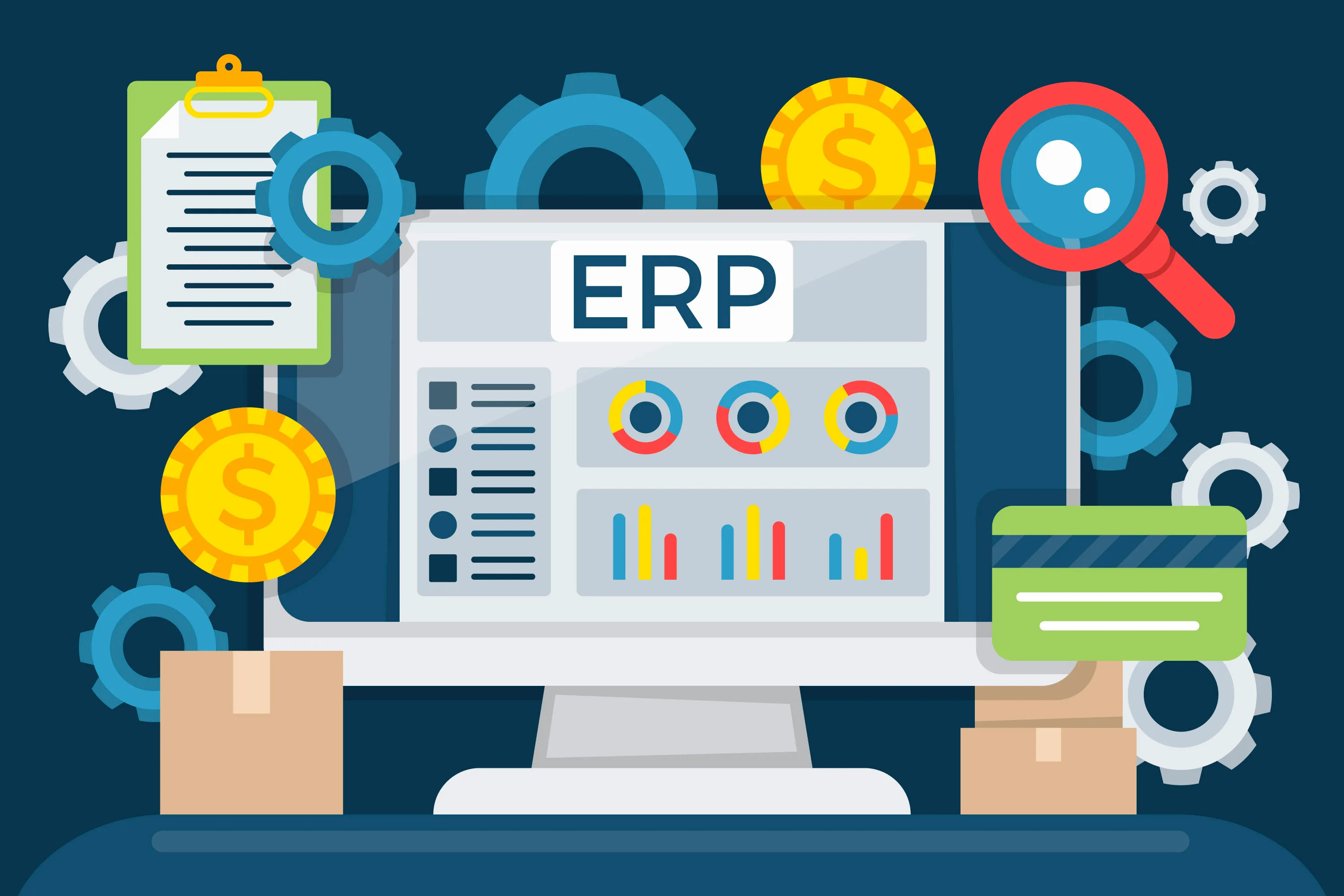
Custom ERP Software Development
ERP Software Development Services
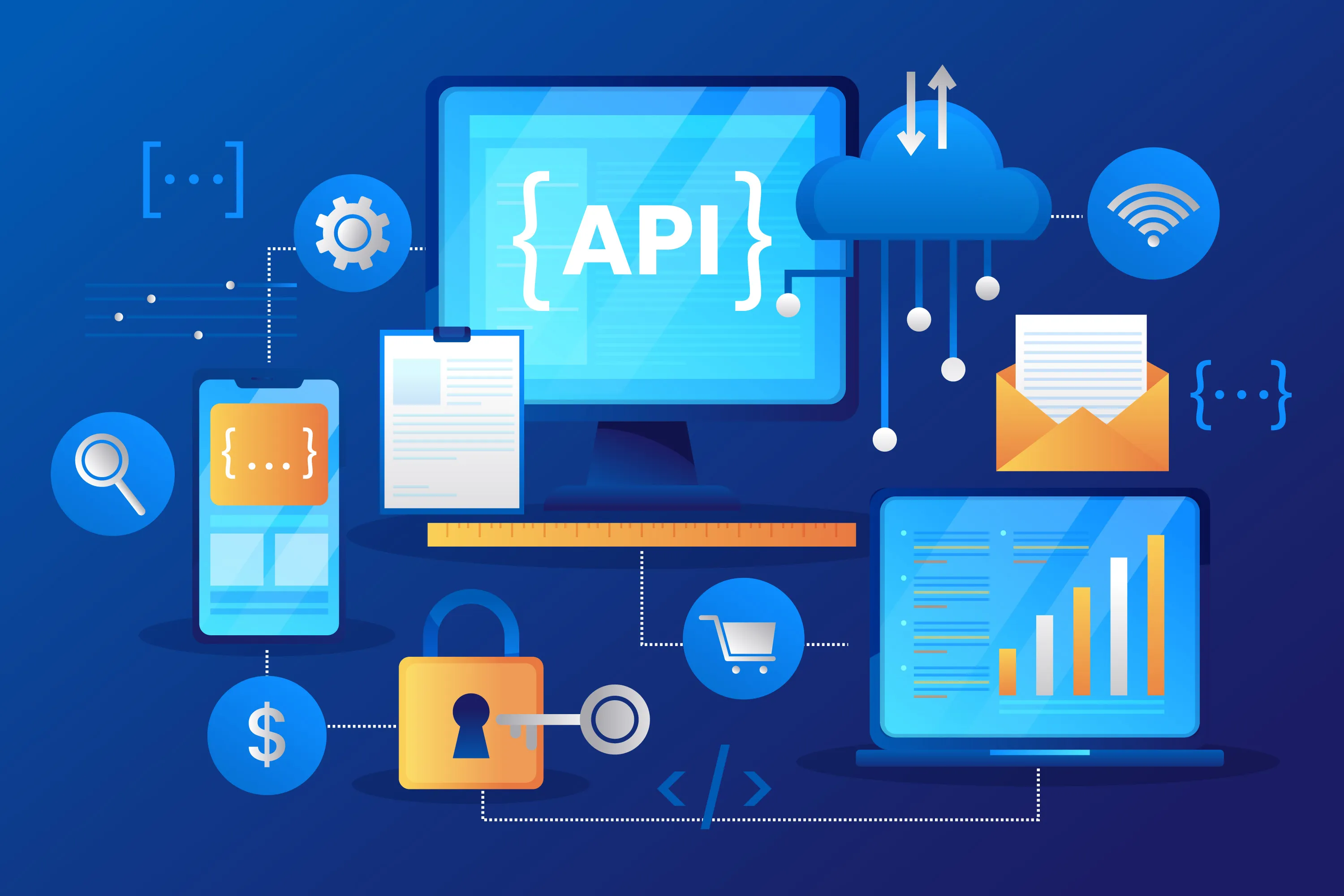
ERP Module Development
ERP Customization
ERP Integration
ERP Modernization
Legacy ERP Migration
ERP Application Development
ERP Web Application Development
ERP Mobile App Development

ERP Dashboard Development
Workflow Automation
AI-Powered ERP Features
API & Third-Party Integrations
Data Migration
ERP Maintenance & Enhancement
ERP Modules We Can Build
Start With What Your Business Needs Most
Finance & Accounting
Invoice, Expense, Payments and Reporting on Financial Transactions.
CRM & Sales
Leads, customers, quotations, orders and sales processes.
Inventory
Products, stock, warehouses, transfers and visibility of stocks.
Procurement
Vendors, purchase orders, receipts and payments.
HRM & Payroll
It includes Employees, Attendance, Leave, Payroll & Employee Workflows.
Manufacturing
Some of the areas it covers include production planning, materials, work orders and manufacturing workflows.
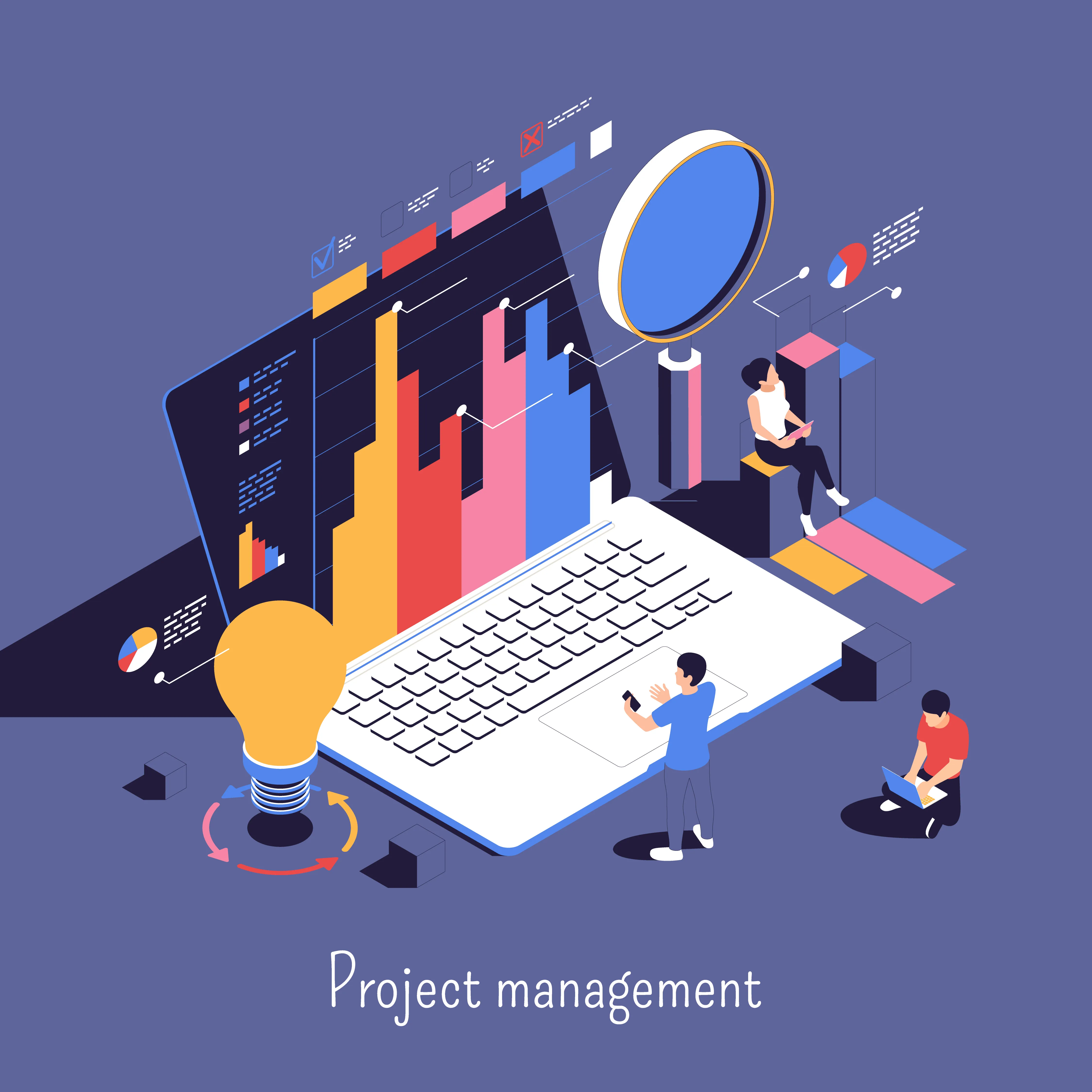
Project Management
Project Management — Projects, Tasks, Resources and budgets and project reporting.
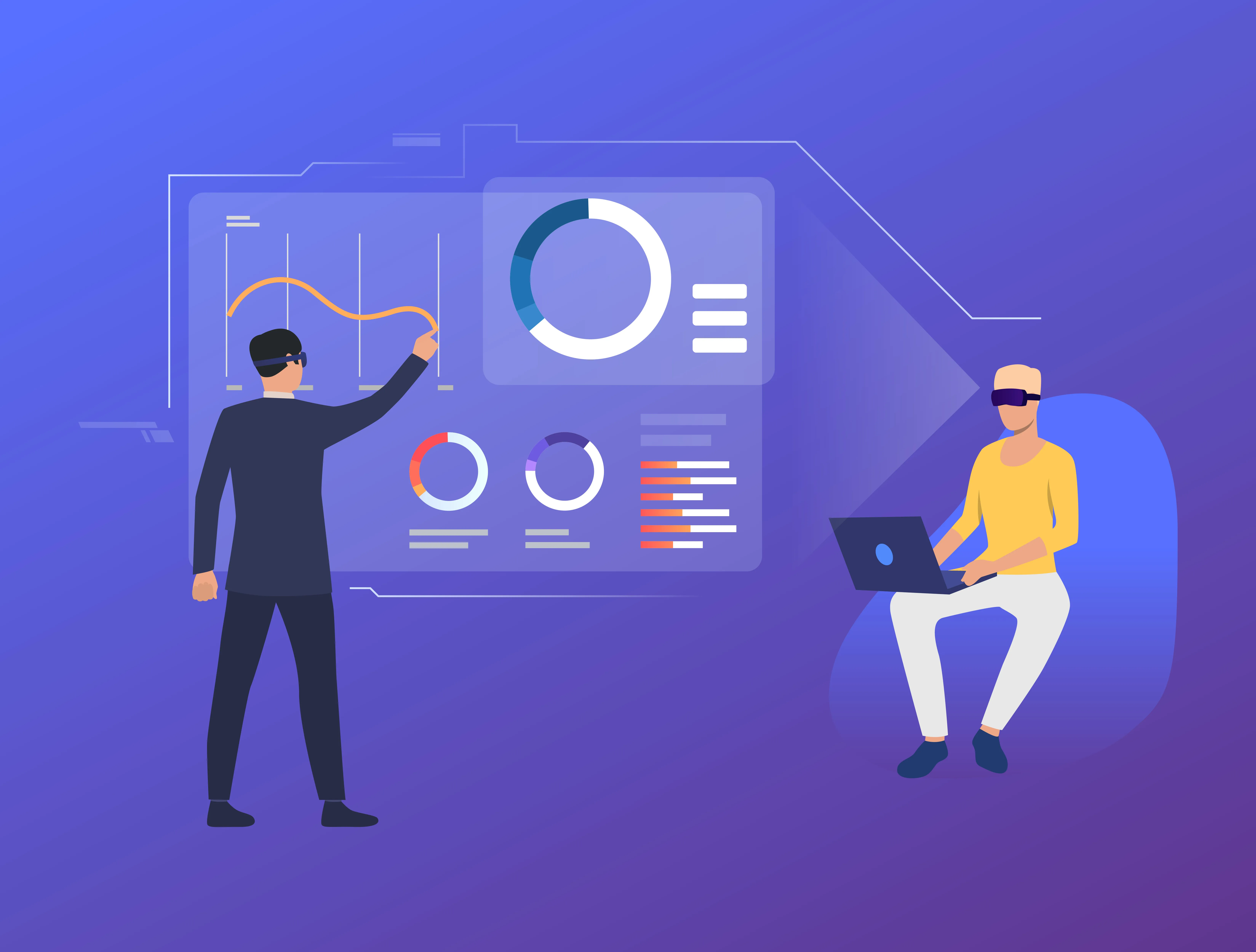
Business Intelligence
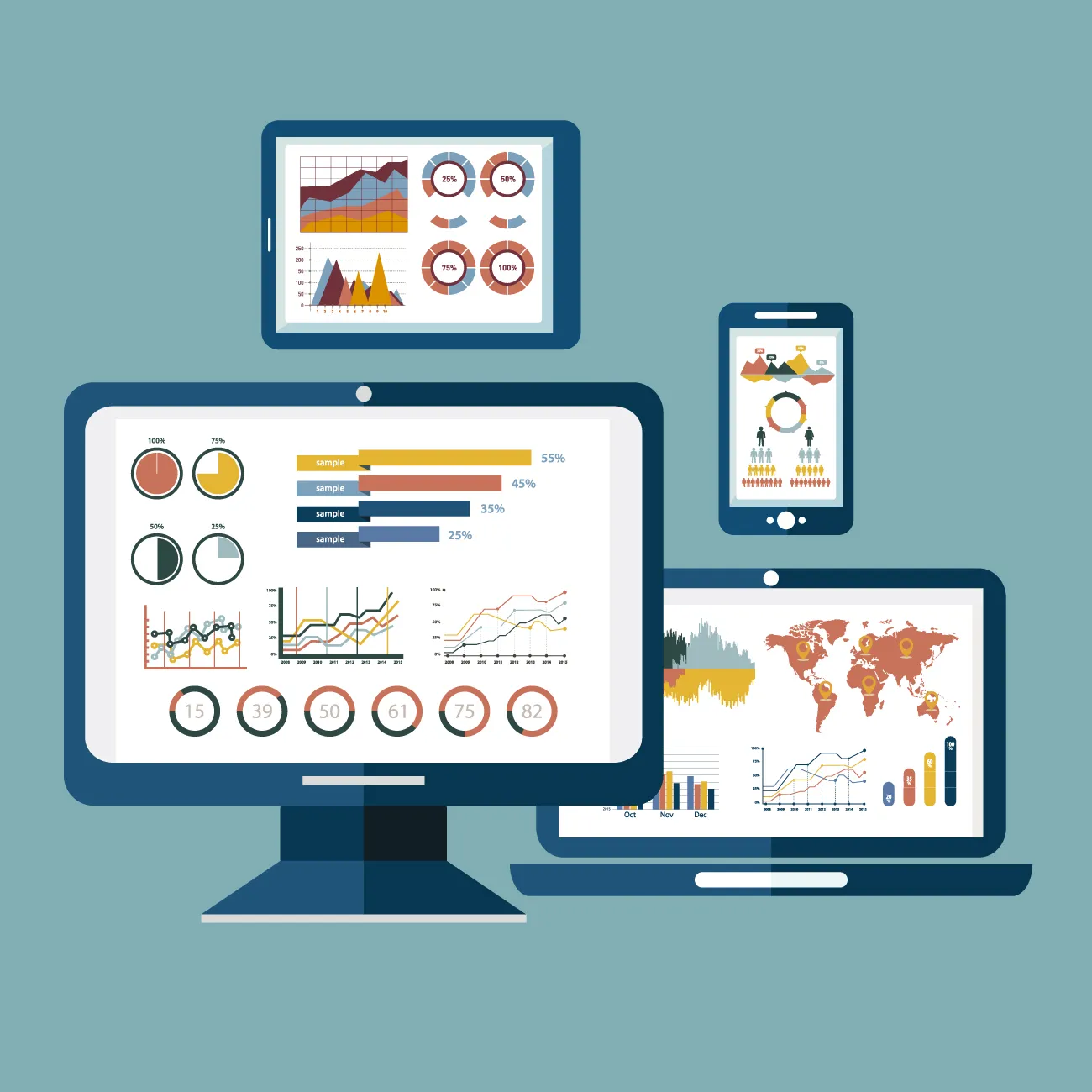
Key Performance Indicators (KPIs), reports and business insights in management dashboards.
ERP Solutions for Different Industries
Industry-Specific ERP Architecture
Manufacturing
Manufacturing companies can connect production, inventory, procurement, sales finance and workforce management software development with custom ERP.
Distribution & Wholesale
Product, inventory, distributor, orders and purchasing management along with Receivables / sales info.

Retail & E-commerce
ERP Software development for retail business can integrate products with inventory, orders, customers, procurement and financial workflows.
Healthcare
Bringing together operational, financial & employee and administrative processes.

Hospitality
Link reservations, operations, inventory, procurement, finance and workforce management processes.

Construction & Real Estate
Be it for managing projects, vendors, procurement and finance to customers, properties and operational workflows.
ERP Software vs Other Business Software
ERP software is different because it does not focus on just one part of a business. Most software is created to solve a particular problem. For example, a company might use one tool for accounting, another for managing employees, and another for keeping track of stock and sales. These tools can work well on their own, but the problem starts when the different departments need to share information.ERP brings those functions together. Finance, sales, inventory, HR, purchasing, and operations can work from the same system. Instead of moving information from one application to another, employees can find the information they need within the ERP system.Consider a simple sales order. When a customer places an order, the sales team enters the details into the system. The inventory team can then check the available stock, while the accounts team can use the same order information for billing. Nobody has to start the process again in another application.The same information can move through the different stages of the process.This can make a noticeable difference in everyday work.
When different teams are working on different software, a lot of time can go into small things like checking spreadsheets, sending information by email, updating records, or simply asking another department for an update. It is easy for information to get missed or entered incorrectly somewhere along the way. With ERP, the information is kept within the same system, so teams do not have to keep moving data from one place to another.Keeping all of this information in one place can make day-to-day management much easier. Business owners can quickly review sales, costs, inventory, purchases, staff details, and more instead of waiting for separate updates from each department. They can also spot issues sooner and take action before they grow into larger problems.

Cloud-Based & Customizable ERP
Cloud-Based ERP Software Development
ERP also begins to make more sense as a business grows. A company with a handful of employees and customers might be able to get by with a few different tools. But as more customers, products, employees, transactions, or branches are added, keeping everything organized becomes more difficult. An ERP system can scale with the business, adding new modules and functionalities when they are actually required. There is also more control over who can see and use different parts of the system. An employee working in accounts does not necessarily need access to HR records, while someone from HR may not need access to financial information. ERP allows these permissions to be set according to each person's role.The main point is that ERP is not valuable simply because it puts many features under one roof. What really makes it different is the connection between those features.
Sales, accounts, inventory, HR, purchasing, and other departments can work with information that is connected rather than keeping everything in separate systems. For a growing company, having that kind of setup can make everyday work much easier to handle. Cloud-based ERP systems can still provide employees on the go with the information they need. This helps teams stay connected and keep work fresh. Managers have the most up-to-date information when making informed decisions. It is easier to understand what's going on in all aspects of the business and monitor performance. Meanwhile, user permissions, backups and data security can be handled within the platform, which helps keep critical business data protected.
The needs of a growing business can change as well. A decent cloud ERP solution makes it simple to add users, business units, modules, workflows, or integrations as circumstances dictate. You don't have to overhaul the entire system every time the business has a new demand to meet. This flexibility allows organizations to operate different lines of business under one system and yet allows them to make changes as they evolve.
Questions Businesses Ask About ERP
Get the Answers Before You Invest in ERP.
No. How to approach the right Business Process Management system largely depends on your size of organization, process complexity, budget constraints and/or limitations, integration needs and future growth plans. While few businesses require specific modules of it, some others gain the benefit from an integrated enterprise platform.
Yes. SMEs begin with critical modules and gradually add new functionalities to the ERP in line with business complexity.
Yes. You can integrate ERP with existing CRM, accounting, payment, HR, inventory and other systems through APIs and other approaches.
Yes. A modular roadmap is a common approach, particularly given the desire of organizations to manage investment and minimize implementation risk.
Yes. AI can augment reporting, document processing, forecasting, assistants, recommendations and other relevant workflows.
Choosing an ERP Development Partner
How to select a leading ERP Software Development company?
Look for an ERP development partner with business understanding and experience of integrations that can support the solution beyond its initial implementation stage. Before finalizing a development company, it is advised that you have clear considerations for all technical capabilities, scalability, security, data migration, customization and long-term maintenance.
PerfectKode is a technology firm headquartered in India that develops software solutions for enterprises and custom applications; it builds ERP platforms around specific organizational requirements.
Custom ERP Development FAQ
ERP prices literally depend on the modules, users, integrations, business processes and migration requirements as well as the deployment model.
You can go live with a focused ERP MVP much faster than delivering an entire enterprise ERP. Timeline (exact timeline can be determined after process discovery and module prioritization.)
Yes. It is possible to design a platform with a multi-branch, multi-department and role-based architecture.
Yes. Modernization can be a platform where we integrate with the existing architecture or module replacement, UI modernization and migrate progressively or outright redeploy it, depending on the existing architecture.
Process uniqueness, budgetary constraints, integration requirements, scalability and the product features will dictate the right call. PerfectKode can be utilized to assess the build-or-buy choice ahead of development.
Build a Custom ERP Around Your Business
One Connected Platform For Your Entire Business
PerfectKode is known for developing custom ERP software and ERP solutions to integrate your central business processes into a single scalable technology platform.